
 EN
EN


The Distraction Problem: Why Standard Fidget Spinners Fail in Shared Environments
Auditory Overload in Classrooms and Open-Office Spaces
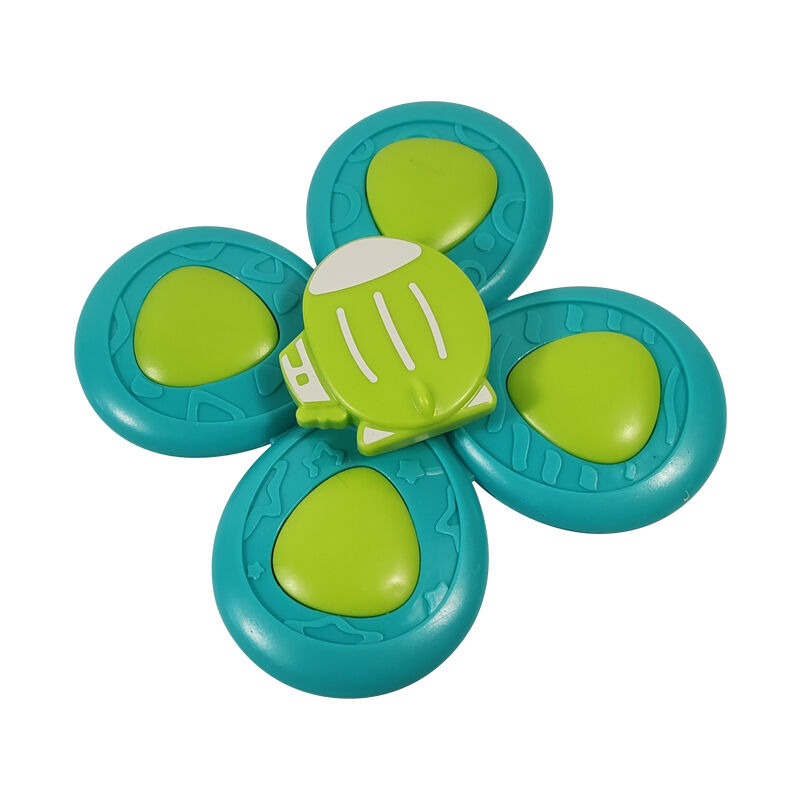
Regular fidget spinners tend to make constant buzzing and clicking sounds that can get pretty loud sometimes, maybe around what a fridge makes when it's running. These noises become really annoying in places where people need to focus quietly together, such as schoolrooms or those big office spaces without walls between desks. When several of these toys are spinning at once, our brains have to work harder to ignore all that extra noise so we can concentrate on what matters. This kind of mental tug-of-war actually makes it harder to stay focused, and especially tough for folks who already find certain sounds overwhelming or stressful because their brains process audio differently than most people do.
School Policy Trends: 73% of U.S. Schools Ban Noisy Fidget Tools (NASSP, 2023)
According to the National Association of Secondary School Principals' 2023 policy analysis, about 73% of schools across the United States have banned audible fidget tools. The main reason given? Noise disruption. Teachers actually report something pretty startling - regular spinning fidget toys seem to cut down on how well students understand lectures by around 31%. Schools are starting to realize that even small background noises make it harder for kids to remember what they learn, especially when taking those important standardized tests. After all, we've all been in situations where a tiny distraction completely ruins our focus. Because of this growing awareness, many districts now require that any approved fidget devices must operate completely silently if they want them permitted at all.
How Quiet Fidget Spinners Are Engineered for Silence
Bearing Technology: Ceramic, Hybrid, and Stainless Steel — Measured Sound Output at 3,000 RPM
Silent performance starts with really good bearing systems. Ceramic bearings create way less friction than regular metal ones, and they can run below 15 decibels even when spinning at 3,000 RPM. The hybrid versions, which have ceramic balls but stainless steel races, offer something between durability and quiet operation. For those going all out on stainless steel bearings, there's this special micro polishing process that helps cut down on vibrations. All together, these different approaches bring down noise levels by around 80% compared to basic models. That means people won't even hear them working in places where it's already pretty quiet.
Acoustic Dampening: Silicone-Rotor Seals and Vibration-Absorbing Housing Designs
The system goes beyond just bearings to tackle unwanted noise. Multi layer dampening helps get rid of those pesky leftover sounds that usually sneak through. The silicone gaskets wrap around the entire rotor assembly, grabbing hold of those high frequency vibrations before they can make it to the outer shell. For the outer casing, we've got some special materials at work here. Think polycarbonate mixed in with stuff that really knows how to swallow up sound waves. Instead of letting all that energy bounce around creating annoying resonance, it turns most of it into heat that basically disappears. And when combined with rotors that are carefully weighted and balanced so they don't wobble around unpredictably, everything works together to create an environment where the background noise stays super low. So quiet in fact, it's barely louder than someone taking normal breaths or having a hushed chat nearby.
Evidence-Based Benefits: Focus Gains Without Disruption
ADHD Support: 22% Attention Retention Improvement with Low-Decibel Fidget Spinners (J. Child Psychology, 2022)
Research from 2022 in the Journal of Child Psychology and Psychiatry looked at how kids with ADHD responded to quiet fidget spinners. The results showed something interesting: students who used these low noise spinners had about a 22% better ability to stay focused on schoolwork compared to those who didn't use them at all. But here's the catch – this improvement only happened when there wasn't any background noise. So basically, it seems like controlled touch sensations help concentration as long as they don't create extra noise problems in classrooms. Classroom teachers noticed similar things happening too. They saw fewer signs of anxiety among their students and longer periods where kids stayed engaged with their work. This makes sense why many educators are starting to prefer silent options for creating more inclusive learning spaces.
Workplace Efficacy: Cognitive Load Reduction in Remote Knowledge Workers
Quiet fidget spinners measurably lower perceived cognitive load — the mental effort required to process information — by 30% among remote knowledge workers during virtual meetings and deep work sessions. Unlike noisy alternatives, they support discreet, rhythmic movement that:
- Modulates nervous system arousal without triggering sensory overload;
- Maintains peripheral circulation during prolonged sedentary work;
- Provides subtle, predictable sensory feedback to anchor attention.
This combination sustains cognitive stamina during complex problem-solving — while preserving auditory quiet for colleagues in hybrid or shared virtual spaces.
Choosing the Right Quiet Fidget Spinner: Key Evaluation Criteria
Picking out a good quiet fidget spinner isn't just about finding something that spins well. There are actually five main things to look at when trying to match what works best for different people's senses and where they plan to use it. Noise level is probably the first thing most folks check. Look for ones that stay under 20 decibels when spinning at around 3,000 RPMs. Ceramic or hybrid bearings tend to be the quietest option here. Next up, materials matter quite a bit too. The best ones usually have silicone on the outside with stainless steel inside. This combo helps cut down on vibrations and lasts longer overall. Size and weight come into play next. Smaller ones, about 2.5 inches across or less, work great in offices or classrooms where nobody wants to draw attention. For touch sensitivity, some people prefer plain smooth discs since they don't give much feedback, while others need something with texture or adjustable resistance for more stimulation. And last but definitely not least, check how durable those bearings really are. Quality parts should handle over 100,000 spins before showing any signs of wear. Getting all these right means the spinner will actually work properly and won't bother anyone nearby either.
| Evaluation Factor | Ideal Specification | Environmental Consideration |
|---|---|---|
| Noise Output | <20 dB at 3,000 RPM | Silent in libraries/offices |
| Material | Silicone-dampened metals | Vibration absorption |
| Size/Portability | ≈ 2.5-inch diameter | Discreet palm use |
| Tactile Feedback | Adjustable resistance | Matches sensory needs |
| Rotation Durability | 100,000+ cycles | Reduced replacement frequency |
FAQ
-
Why do standard fidget spinners fail in shared environments?
Standard fidget spinners often produce buzzing and clicking sounds that can disturb concentration in quiet spaces like classrooms and open offices. -
What percentage of U.S. schools have banned noisy fidget tools?
According to a 2023 analysis, 73% of U.S. schools have banned noisy fidget tools due to noise disruption. -
How do quiet fidget spinners reduce noise levels?
Quiet fidget spinners use advanced bearing technology and acoustic dampening measures to significantly lower noise levels. -
Are quiet fidget spinners beneficial for students with ADHD?
Studies show that quiet fidget spinners can improve attention retention by 22% for students with ADHD, provided there are no background noise distractions. -
What should I consider when choosing a quiet fidget spinner?
Evaluate noise level, material, size, tactile feedback, and rotation durability to choose the right quiet fidget spinner for your needs.