
 EN
EN

The Safety Advantage of Foam-Based Outdoor Toys
Impact absorption: How ASTM-certified foam reduces injury risk vs. plastic or rubber outdoor toys
Outdoor toys made from foam materials actually cut down on injuries because of how they compress when something hits them. Kids often tumble into things while playing, but ASTM certified foam can soak up around 90 percent of the impact energy before it even reaches their bodies. Regular plastic or heavy rubber toys just pass all that force straight onto bones and skin. Studies from the Consumer Product Safety Commission in 2023 showed that kids using these softer toys had about half as many head injuries as those playing with harder surfaces. What makes this possible? The special cell structure inside cross linked polyethylene foam spreads out the pressure over a wider area. That's why parents love seeing their little ones run around with these toys during games where falls happen all the time at parks and playgrounds.
Non-toxic, child-safe materials—meeting ASTM F963 and CPSIA standards for outdoor toy use
High quality foam toys for outdoor play go through strict chemical tests to comply with ASTM F963 standards regarding heavy metals and the CPSIA rules about phthalates. The medical grade EVA foam used has no PVC, BPA or formaldehyde in it at all. This is different from those cheaper rubber alternatives which sometimes release harmful sulfur compounds. We design these foams to handle mouthiness too since kids tend to put everything in their mouths. According to recent research published in the Journal of Pediatric Health last year, around three out of four playground toy ingestion cases involved dangerous substances. Plus, the closed cell structure means these toys won't grow mold when left outside in damp conditions or after getting wet during rain showers.
How Foam Outdoor Toys Support Gross Motor Development
Building coordination, throwing accuracy, and dynamic balance through low-risk active play
Outdoor foam toys let kids work on basic movements like jumping around, catching balls, and making those tricky spins without worrying about getting hurt, which is pretty different from what happens when they play with hard plastic or rubber stuff. These soft toys absorb impacts so kids can keep practicing complicated moves again and again while developing their coordination skills, sense of space, and how they balance themselves dynamically. Studies indicate that when kids have access to safer play areas where they don't fear getting injured, they actually try out new motor skills about 60 percent more frequently than in places that feel too restricted, and this helps speed up their overall physical development. Since there's less anxiety about hitting something hard, little ones will go for those tough moves more regularly, gradually improving their throwing precision and bodily control just by messing around and figuring things out as they play.
Sensory-motor integration: Lightweight resistance and tactile feedback in foam outdoor toys
The special way foam is packed together gives it just the right amount of lightness with some resistance, which helps kids get better at knowing where their body parts are during playtime. Kids who pick up, squish, or toss foam toys actually feel something different under their fingers compared to other stuff, and this helps their brain process what's going on around them. Think about how a child might change how hard they throw a ball when they notice it's getting bouncier on grass versus pavement. Foam isn't too heavy like plastic or wood, so little ones can move it around without struggling, but it's not so light that it feels pointless either. This middle ground helps build those important skills where eyes and hands work together, plus makes both sides of the body coordinate better over time.
Choosing Age-Appropriate Outdoor Toys: From Toddler to Early Elementary
Ages 3–5: Soft-sphere foam balls and launchers aligned with early gross motor milestones
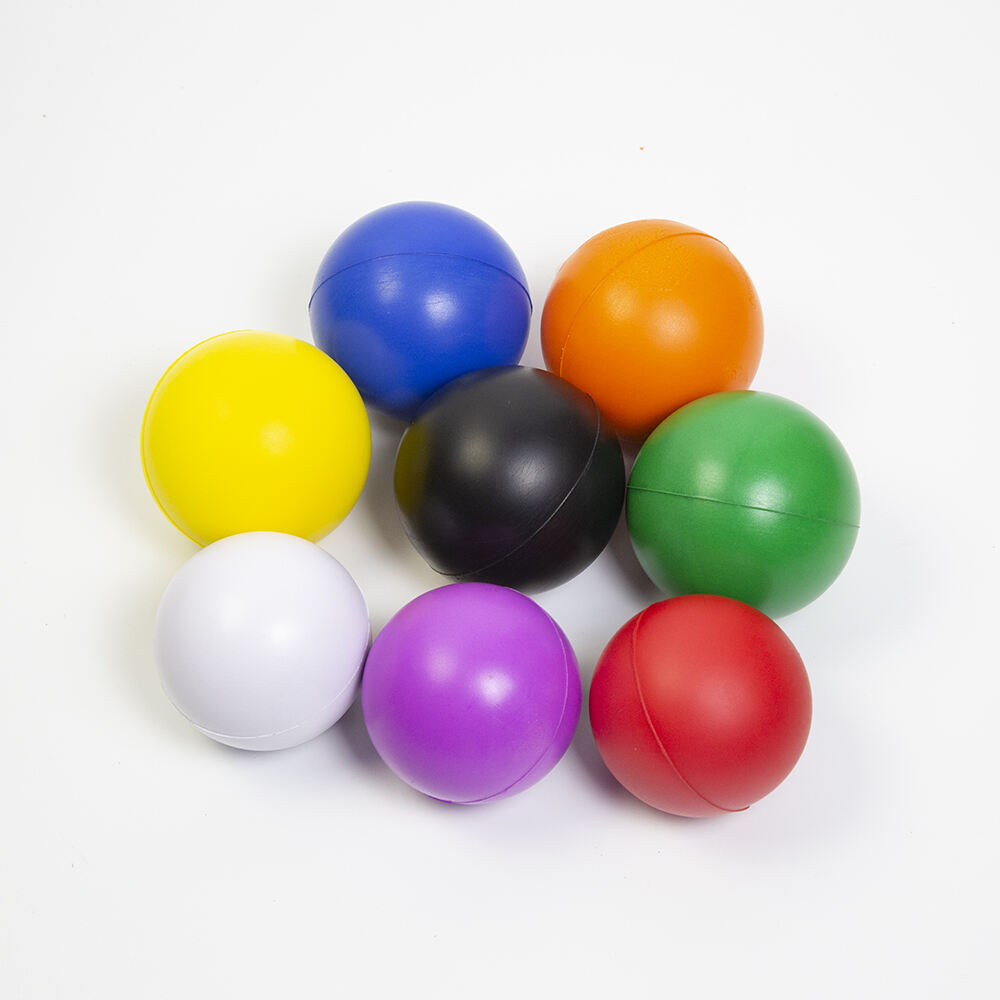
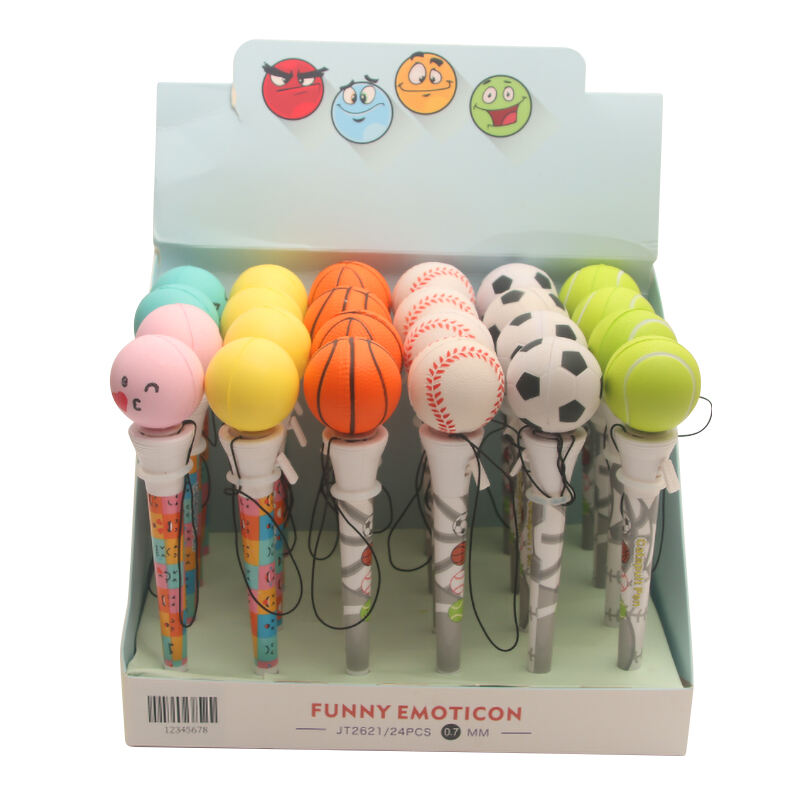
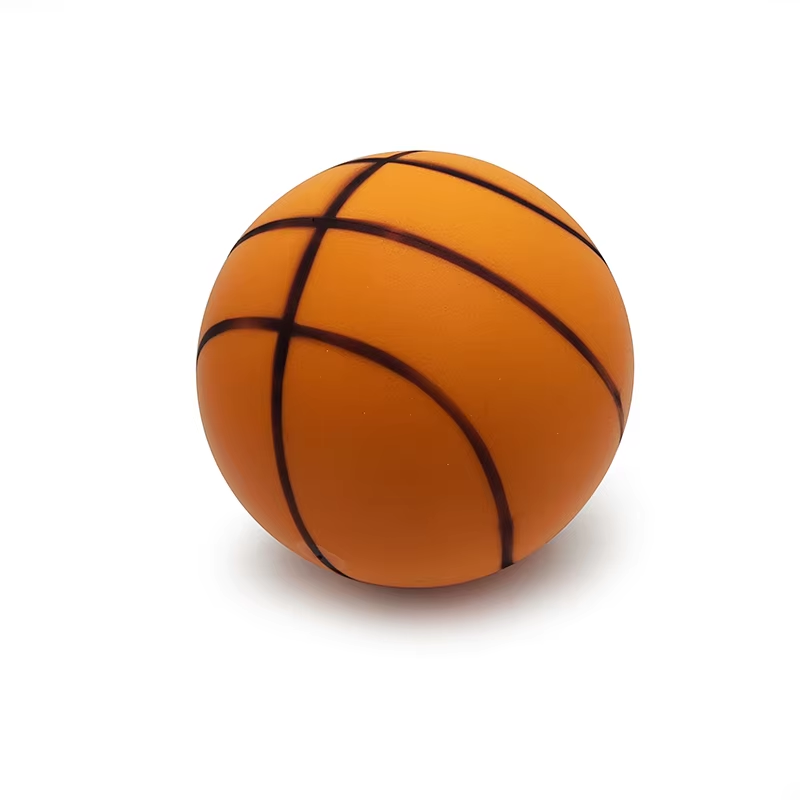
Soft sphere foam balls work great for little ones who are just starting to build basic movement skills. The fact that they're light and squishy means kids can toss, grab, and kick them all day long without hurting anyone. This kind of repetitive play actually helps develop hand eye coordination naturally over time. When paired with foam launchers, things get even better. Kids start experimenting with how far they can send the balls flying, which teaches them about space around them and how much force to apply. These simple toys hit several important developmental checkpoints like getting better at throwing overhand and maintaining balance while moving. Plus, those bumpy textures on the balls give extra sensory input that makes active play more engaging for young children's developing brains.
Ages 6–9: Progressive gear like foam discs and target sets that scale challenge without compromising safety
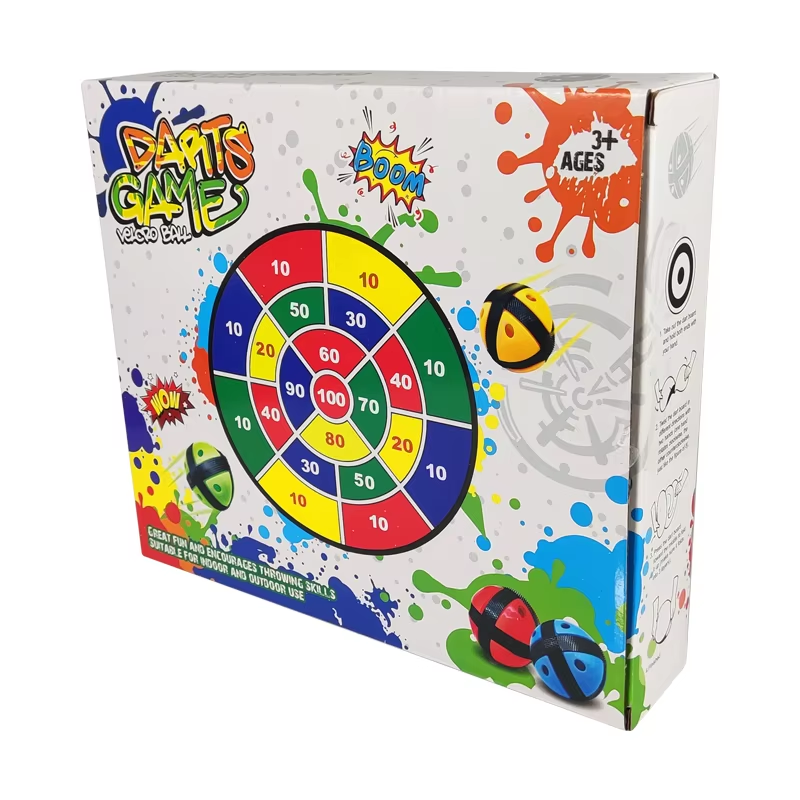
When kids start school, foam gear that grows with them adds challenge without sacrificing safety. Flying discs made of foam help little ones get better at throwing accurately and using both sides of their body together because they have to aim at angles. Target games where things are placed at different distances teach kids to think ahead and judge how far away something really is. What makes these toys special? They're built with materials that meet ASTM standards for absorbing shocks. These materials can handle tougher throws and faster hits as kids grow stronger and faster over time. The whole point is helping develop those important movement skills like spinning throws and quick catches. Plus, since foam doesn't hurt as much when it hits, there's less chance of fingers getting pinched or faces getting bumped compared to hard plastic toys during active play sessions.
FAQ Section
What is ASTM certification?
ASTM certification ensures that materials meet specific safety and quality standards, which is crucial for children’s toys.
Why choose foam over plastic for outdoor toys?
Foam absorbs impact more effectively than plastic, reducing the risk of injuries during play.
Are foam toys suitable for outdoor use?
Yes, foam toys are designed for outdoor use and are resistant to mold even in damp conditions.