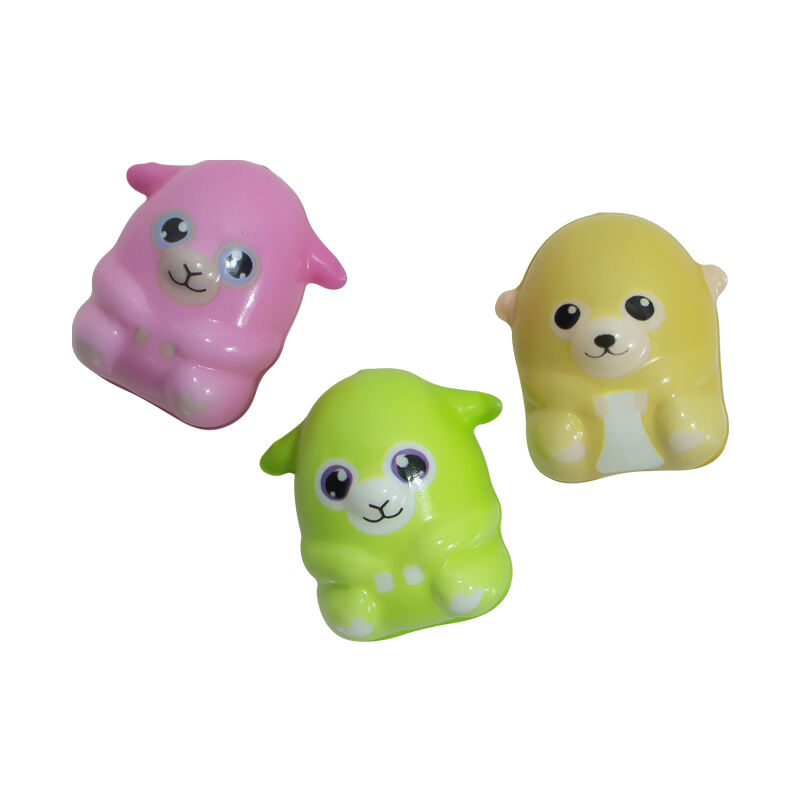
The Science of Slow-Rise Squeeze Toys in Stress and Anxiety Relief
How Proprioceptive Input Regulates the Nervous System
These slow rise squeeze toys work with how our bodies naturally sense where we are in space, which helps quiet down the nervous system when someone needs calming. Squeezing them gets those muscles and joints working together, sending consistent messages back to the brain about what's happening. What happens next? The brain responds by switching on the part responsible for rest and digestion, which can actually bring cortisol levels down quite a bit during stressful moments. The difference between these toys and other things people might squeeze comes from their special design. Instead of sudden pressure changes, there's this gentle build up followed by a longer release time around 5 to 7 seconds. This kind of slow motion gives the senses something stable to focus on, almost like hitting a refresh button for emotions running high at the moment. Regular use seems to help folks manage their feelings better over time too.
Tactile Stimulation and Anxiety Reduction: Evidence from Clinical Studies
Slow rise squeeze toys with their tactile properties have been shown to actually reduce anxiety levels when tested in clinics. A recent study found that people who used these textured toys recovered from stressful situations about 30 percent quicker than those who didn't. When someone squeezes these toys rhythmically, it activates parts of the brain responsible for processing touch sensations and at the same time boosts serotonin production. This helps interrupt those constant worry cycles and creates a kind of calming repetition similar to meditation practices. Toys with special surface textures like diamond shapes or carefully designed ridges work even better because they stimulate particular nerve endings associated with feeling relaxed. Because of this effectiveness, many therapists throughout America have started incorporating them into their standard CBT sessions for patients dealing with anxiety disorders.
Why Slow-Rise Dynamics Enhance Sensory Feedback Over Instant-Rebound Toys
The slow-recovery mechanics—typically 5–10 seconds—extend sensory engagement far beyond what instant-rebound designs offer, creating more sustained neurophysiological benefits:
| Feature | Instant-Rebound | Slow-Rise |
|---|---|---|
| Sensory Duration | 0.5–2 seconds | 5–10 seconds |
| Cortisol Reduction | Minimal | Up to 20% (American Psychological Association, 2023) |
| Focus Sustainment | Low | High |
This prolonged contact time supports breath-synchronized use, reinforces calming neural pathways through repetition, and avoids the startling rebound that can heighten arousal—making slow-rise toys especially effective for individuals with sensory processing differences or trauma-related hypervigilance.
Material Innovation in Squeeze Toys: Balancing Texture, Memory, and Comfort
Thermoplastic Elastomers vs. Silicone: Performance for Stress Relief
When it comes to making therapeutic squeeze toys, thermoplastic elastomers (TPEs) and medical grade silicone stand out as top choices. TPE materials have this great slow rise property that takes around 5 to 8 seconds to bounce back completely. This makes them really good at providing extended proprioceptive input and can actually help reduce cortisol levels by about 15% each time someone squeezes. Another plus is they stay at room temperature when touched and can handle well over 20 thousand compressions before showing any signs of wear, which means they work reliably even after lots of use in clinics or busy environments. Silicone on the other hand gives a firmer feel with faster recovery times between 1 and 3 seconds. People who need instant tactile feedback when dealing with sudden anxiety often prefer this type. Both materials are safe since they're non-toxic, but there's a difference in their properties. Silicone resists microbes better than TPEs do, while TPE maintains more consistent elasticity and feels warmer against skin during use.
Micro-Textural Cues That Trigger Calming Neurochemical Responses
The texture we feel isn't just about looks it actually works with our nervous system. These tiny ridges that are around 0.1 to 0.5 millimeters deep get those special receptors called Pacinian corpuscles going, which play a role in how our brain manages dopamine levels. Some studies have found that when people touch surfaces with diamond patterns instead of plain ones, their bodies release about 12 percent more serotonin. And guess what happens next? Heart rates start dropping measurably within just under two minutes after contact. Even small indentations spaced roughly 8 to 12 per square centimeter can boost blood circulation specifically to parts of the brain responsible for managing emotions. Good design finds the sweet spot between having enough grooves but keeping edges soft enough so they don't irritate skin. What this means practically is that something as simple as squeezing an object with the right surface becomes much more than comfort it turns into a scientifically supported way to calm down and focus better.
From Therapy to Daily Use: The Expanding Role of Squeeze Toys for Stress Relief
Occupational Therapy Protocols Featuring Slow-Rise Squeeze Toys
Occupational therapists often use those slow rise squeeze toys as part of their treatment plans when working on things like sensory regulation, improving fine motor skills, and helping with emotional balance. What makes these toys special is how they deliver deep pressure through this gentle squeeze and release pattern. Some studies have actually found that this kind of grounding technique can cut down cortisol levels by around 15% when someone's feeling anxious, according to research published in the Journal of Occupational Therapy last year. While initially created for sensory integration work, these little devices have become really popular outside traditional therapy settings too. Teachers now keep them handy in classrooms, office workers grab one during stressful meetings, and parents stash them away at home for quick stress relief moments. They're small enough to carry around, don't draw attention when used discreetly, and most importantly, they work based on solid scientific principles. This growing popularity shows something bigger happening in our approach to mental health care these days - more people are looking for practical solutions that don't involve medication but still make a real difference in daily life.
FAQs about Slow-Rise Squeeze Toys
What are slow-rise squeeze toys?
Slow-rise squeeze toys are therapeutic items designed to provide extended tactile stimulation and proprioceptive feedback, supporting relaxation and stress relief.
How do slow-rise squeeze toys help with anxiety?
These toys help reduce anxiety by promoting tactile stimulation and proprioceptive input, boosting serotonin levels, and interrupting worry cycles.
Are slow-rise squeeze toys used in therapy?
Yes, many therapists incorporate slow-rise squeeze toys into treatment plans to support sensory regulation and emotional balance.