
 EN
EN






Cognitive Growth Through Interactive Baby Toys
Cause-and-Effect Learning in the First 6 Months
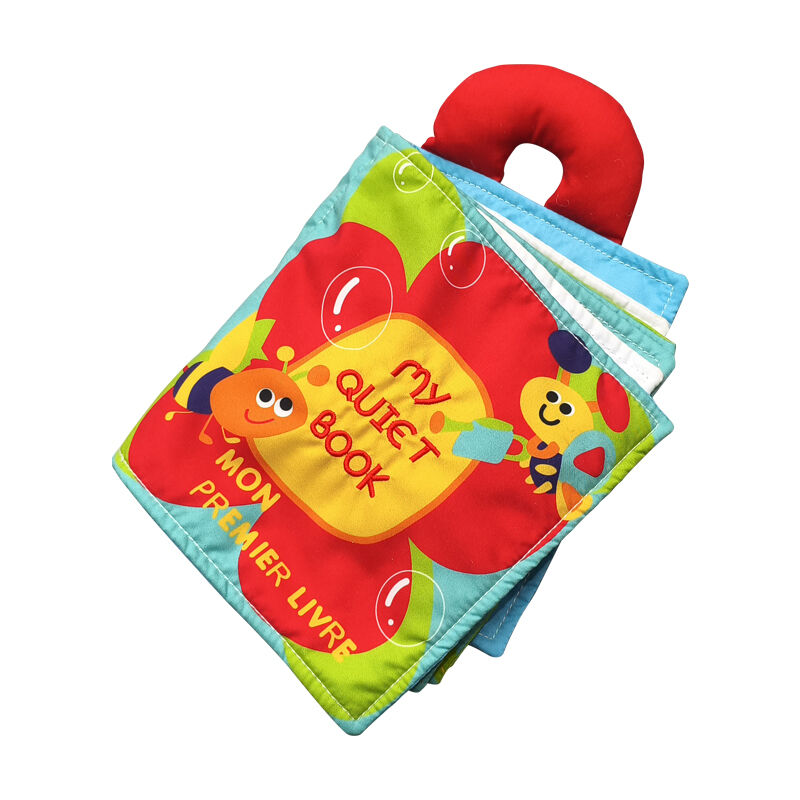
In those important first six months of life, interactive toys become little labs where babies start figuring out how the world works. Think about rattles that make noise when shaken, soft books with pages that crinkle, or mirrors that show what happens when they move around. All these things give instant feedback so babies can connect their actions with what happens next. The basic understanding of cause and effect starts building those brain connections needed for thinking ahead and making decisions later on. Studies suggest that regular time with these kinds of toys might boost pattern recognition skills by somewhere around 40% compared to just watching things happen passively. This helps tiny humans create mental maps where deliberate moves like reaching out or kicking legs actually lead to something they can sense. These early interactions set the stage for developing logical thinking abilities and learning through intention rather than accident.
Problem-Solving and Working Memory Development (6–18 Months)
With kids becoming more mobile, interactive toys aren't just playthings anymore but actually help build important brain functions like working memory and problem solving abilities. Take shape sorters for instance. Toddlers need to remember what shapes they saw and match them correctly. Stacking cups work differently but still challenge little minds. Kids have to think about which cup goes on top and then physically stack them, which takes both mental planning and motor coordination. Research suggests that babies around 18 months old who play with these kinds of toys every day tend to understand object permanence better, maybe even 30% better than those who don't. And when things go wrong during play time, like when a tower falls down or a puzzle piece just won't fit right, babies learn by trying again and again. They test out different approaches, change their tactics, and in doing so, they're actually laying down the foundation for later math skills and how they perceive space around them.
Motor Skill Advancement Enabled by Interactive Baby Toys
Fine Motor Precision: Grasping, Twisting, and Pressing
Baby toys that require interaction help develop those important small muscle movements in little hands. When babies grab at textured rings, twist knobs, press lights that go on, or lift fabric flaps, they're actually working their hand muscles in ways that matter. These activities build strength in the tiny muscles inside the hand, teach fingers to move independently, and improve how hands and eyes work together all at once. Skills like these are super important for things like feeding themselves, putting on clothes, and eventually holding pencils properly. Take fabric books with zippers or those colorful bead maze toys as good examples. Playing with them gets babies practicing that pincer grasp (the one where they hold something between thumb and index finger) and coordinating both sides of their body way before they ever sit down for proper lessons.
Gross Motor Foundations: Encouraging Reach, Roll, Sit, and Crawl
Interactive baby toys that are thoughtfully designed really help babies develop their big movements through fun activities that get them moving on purpose. When we hang colorful toys over a play mat, it gets babies to lift their heads during those important tummy time sessions. Rolling toys or those fancy musical gyms make little ones reach out, turn around, and start crawling earlier than they might otherwise. And don't forget about those push and pull toys either - these actually work wonders for building core strength and balance as babies start to cruise along furniture and eventually take their first steps. Kids are naturally drawn to things that catch their eye, so all this playful interaction works muscles throughout the body at the same time it helps them hit developmental milestones faster. The foundation built through these simple games also prepares them for more complicated actions down the road like climbing stairs or running around the park.
Social-Emotional and Early Language Development with Interactive Baby Toys
Joint Attention and Turn-Taking in Shared Play
Interactive baby toys really help develop joint attention, which is when both parent and child focus on something together. When parents press buttons alongside their babies to make music play or take turns putting different shapes into sorters, it actually helps form those important brain connections needed for social skills. Simple turn-based games work wonders too. Think about playing "your turn, my turn" with a glowing toy. These activities teach little ones how to wait, what comes next, and how to interact with others. They lay down the groundwork for managing emotions later on and getting along with peers in preschool settings.
Vocabulary Expansion Through Sound, Song, and Responsive Feedback
Interactive toys that talk back when kids name colors, count things, or press buttons to play songs can actually help build language skills during playtime. Imagine a baby putting a red triangle in a slot and hearing "That's a red triangle!" The brain makes connections between what they see, what they do, and what they hear, which helps remember words better than just sitting there watching something happen. Some research suggests these kinds of interactive toys might help babies learn new words faster, maybe even improving vocabulary growth by around 40 to 45 percent according to WonderKidsToy data from last year. The music part matters too. Kids start picking up on different sounds in speech, and repeating rhythms helps them understand how sentences work and eventually express themselves more clearly.
Choosing Safe, Age-Appropriate, and Developmentally Effective Baby Toys
When picking out toys for babies, safety comes first along with what stage they're at developmentally and how well the toy is designed for their needs. Look for materials that won't hurt them if they put things in their mouths since babies love to explore with their tongues. Non toxic stuff matters a lot here. Food grade silicone works great because it's soft and safe. Solid wood toys can also be good choices as long as they don't have any splinters or rough spots. The safety standards like ASTM F963 or EN71 aren't just fancy letters on packaging either they actually matter when considering whether something might cause harm during normal playtime. Age recommendations on boxes usually point to physical abilities rather than brainpower. Newborns benefit from textured rattles that help develop their grasping reflexes naturally. Around six months old, babies start getting curious about cause and effect so activity centers with buttons to press or sliders to move become really engaging for them. Be careful though not to give toddlers toys that are way beyond their current skills level because this just leads to frustration. A simple shape sorter with maybe three different shapes is often better than having too many options all at once. Always check if small pieces will fit inside a standard sized drinking straw (the choke tube test) before letting kids play with them. Watch out for anything with sharp corners or decorative bits that could come off easily. Straps or cords should never be longer than 24 inches according to CPSC rules to prevent strangulation risks. Every time little hands reach for a toy, parents want to make sure it helps build skills while keeping everyone safe throughout the day.
Frequently Asked Questions
Why are interactive toys important for babies?
Interactive toys are crucial for babies as they aid in cognitive, motor, and social skill development. They help babies understand cause and effect, improve memory, develop motor skills, and expand vocabulary.
What type of toys are suitable for babies under 6 months?
For babies under 6 months, toys like rattles, soft books with crinkle pages, and mirrors are suitable as they stimulate sensory exploration and early cognitive development.
How do interactive toys promote language development?
Interactive toys promote language development by responding to babies' actions with words or sounds, helping them connect actions with language. This reinforcement aids in faster vocabulary acquisition.
What should I consider when choosing toys for babies?
When choosing toys for babies, ensure they are safe, age-appropriate, and developmentally suitable. Look for non-toxic materials, avoid small parts, and ensure the toy meets safety standards like ASTM F963 or EN71.