 EN
EN
Understanding Childhood Anxiety and the Role of Sensory Tools
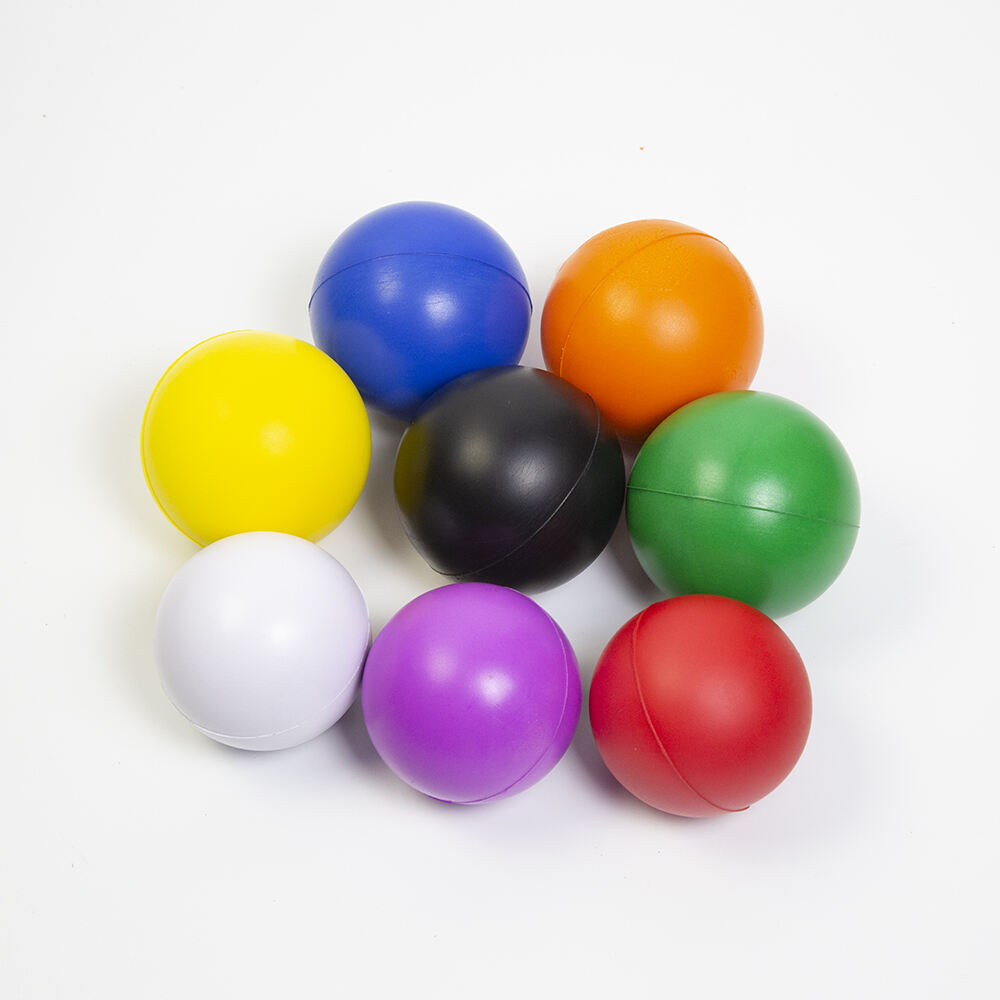
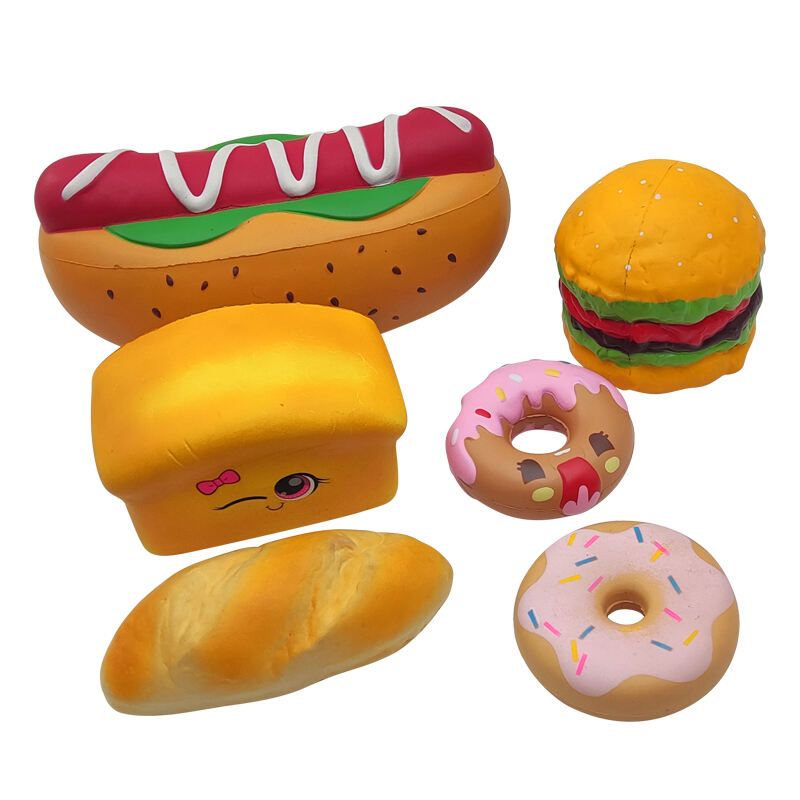
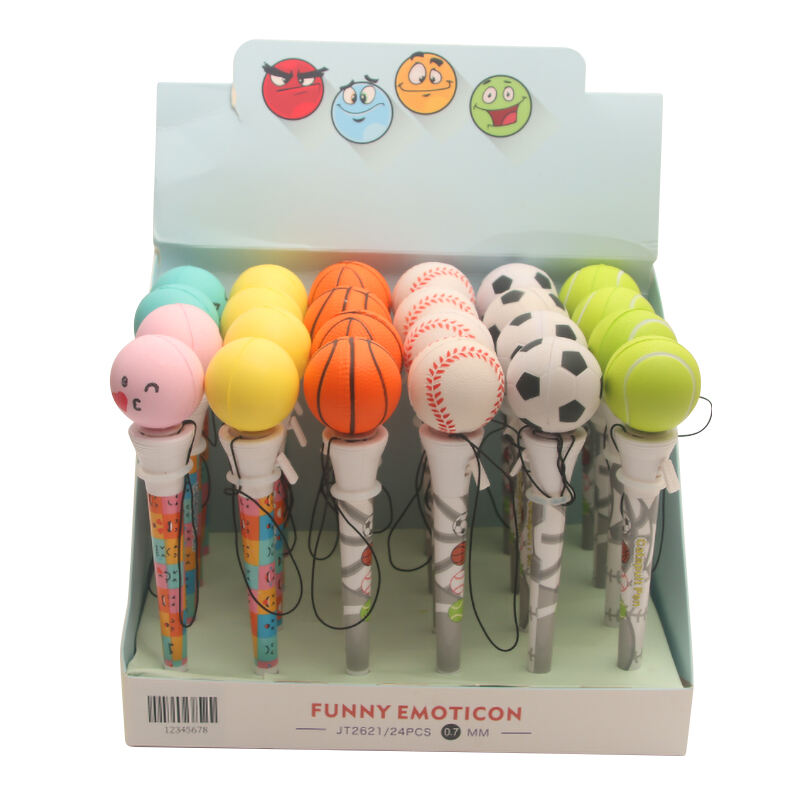
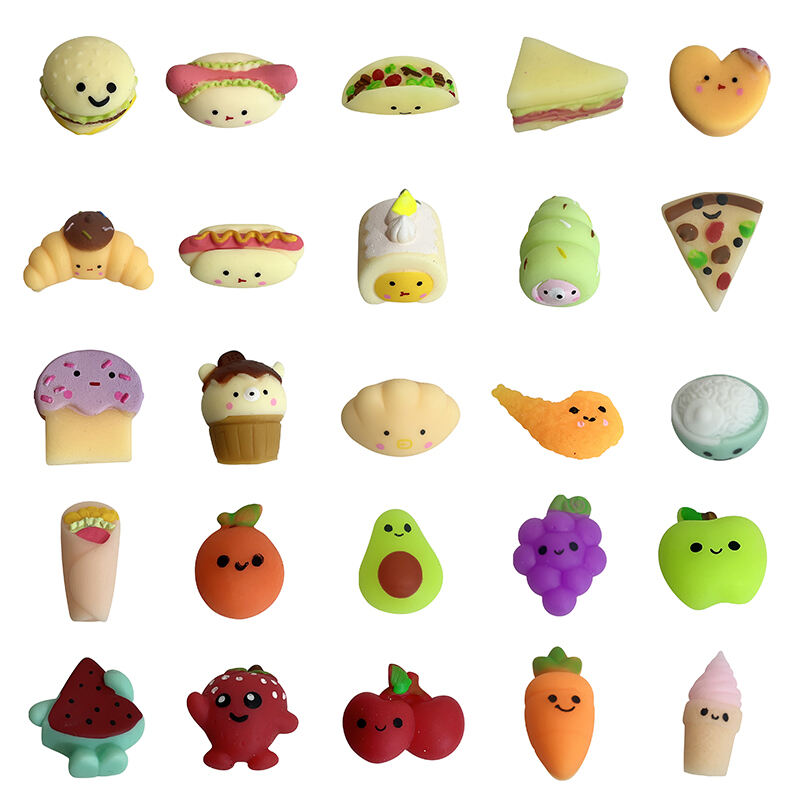
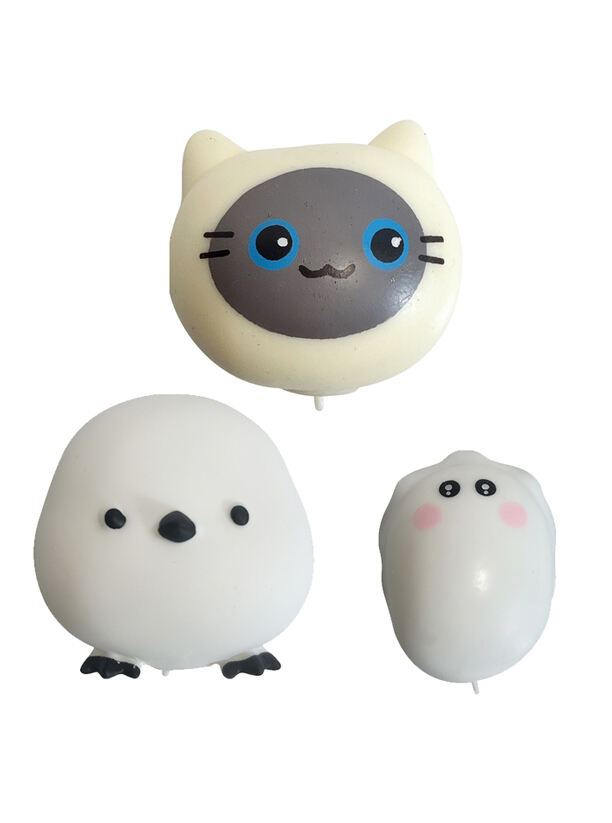
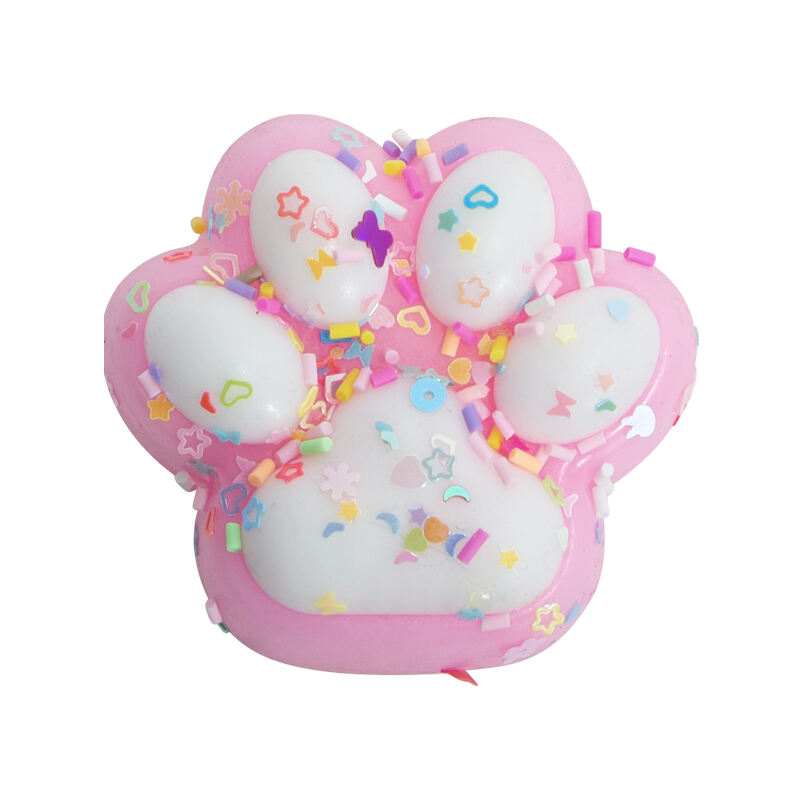
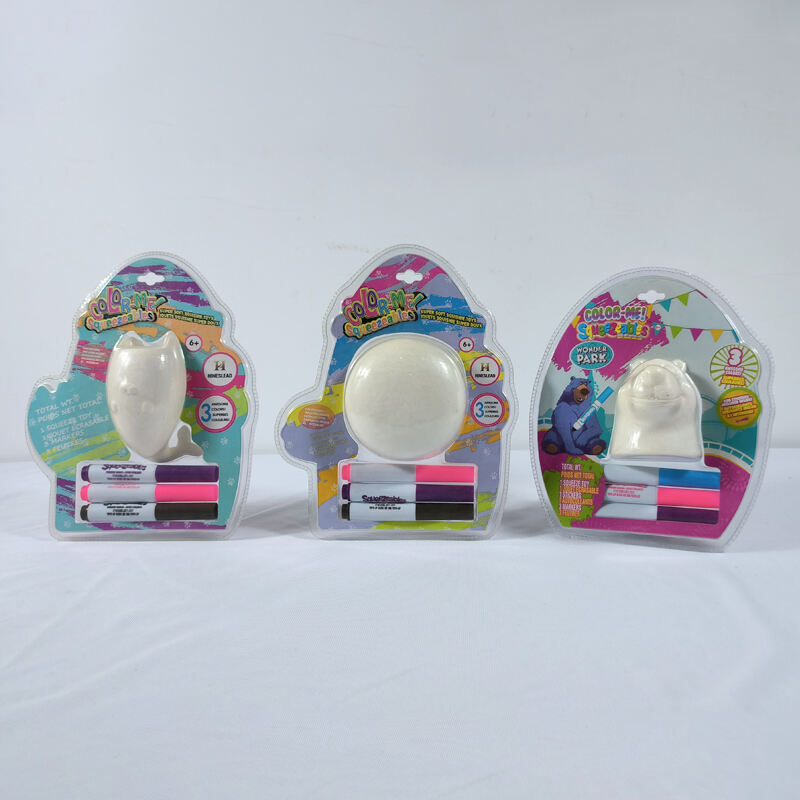
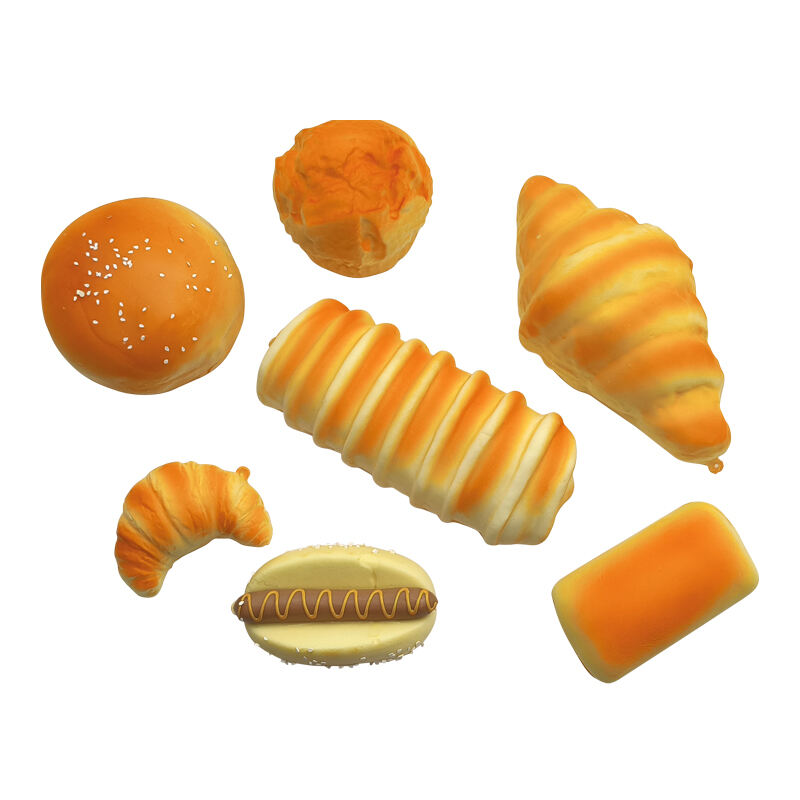
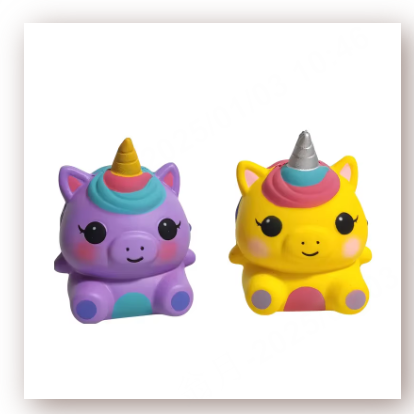
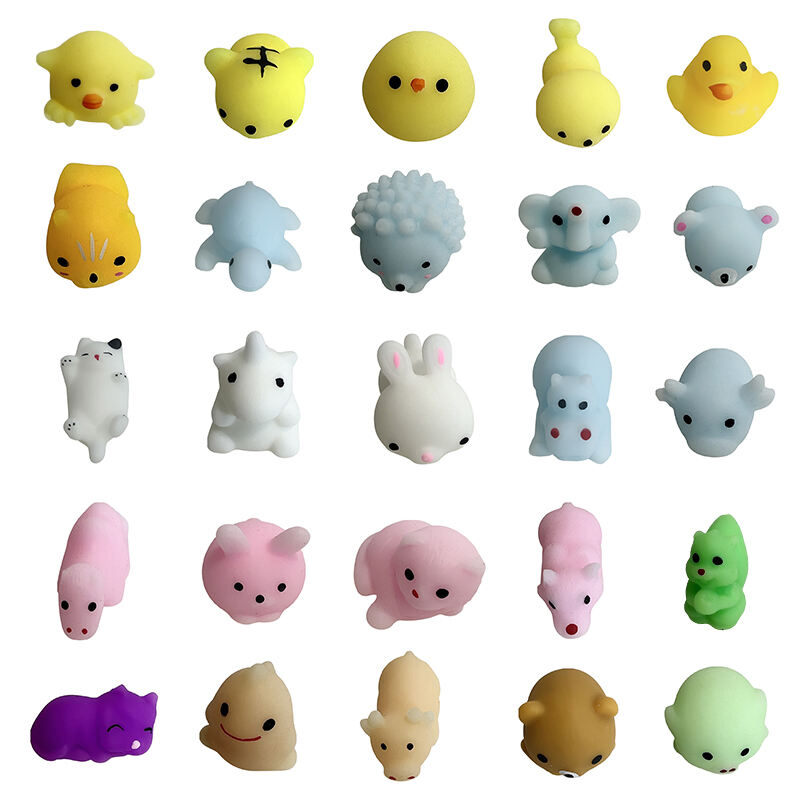
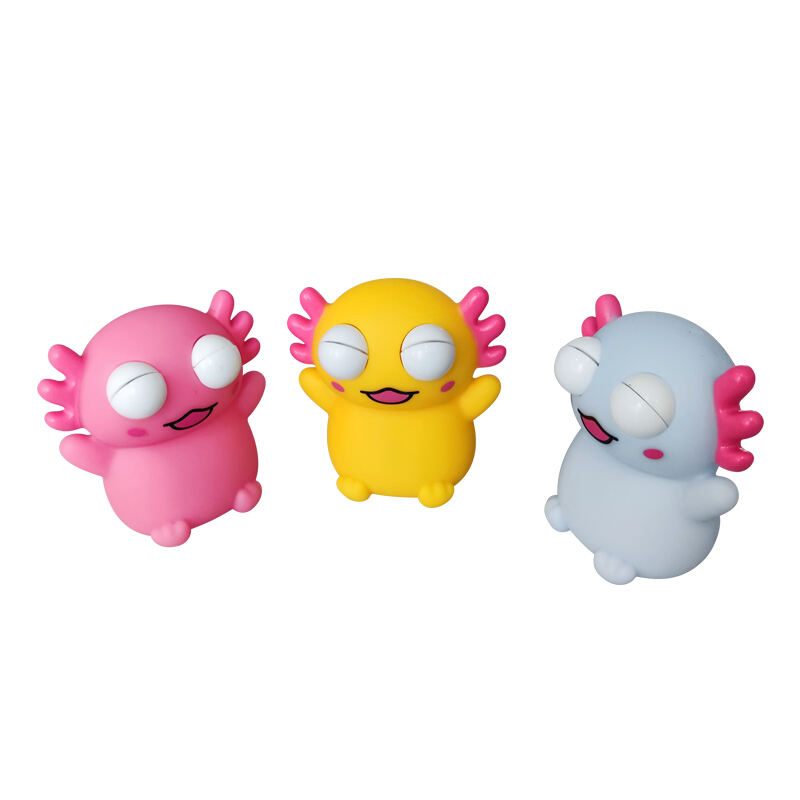
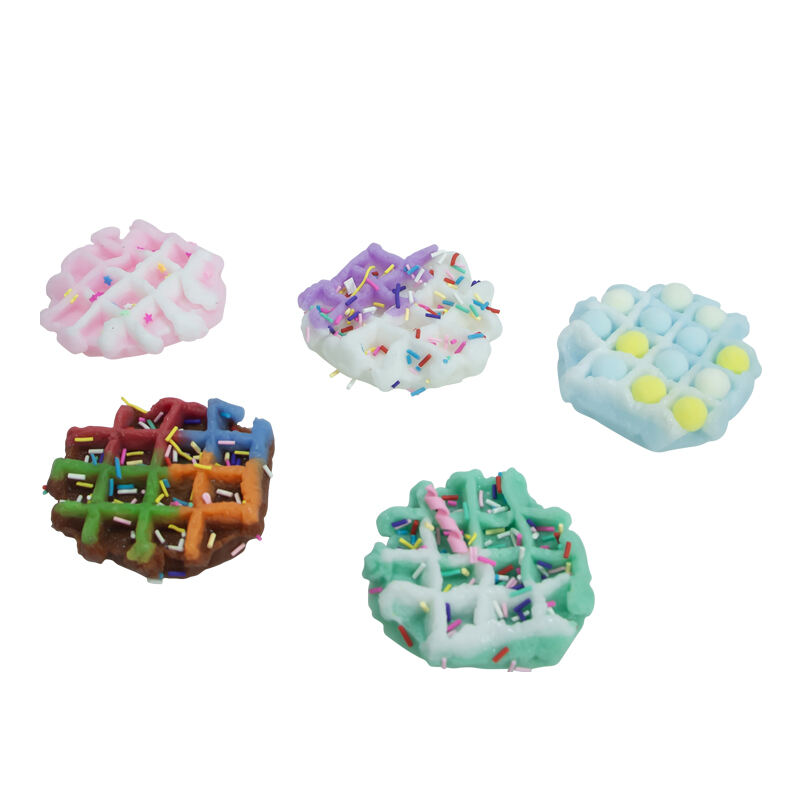
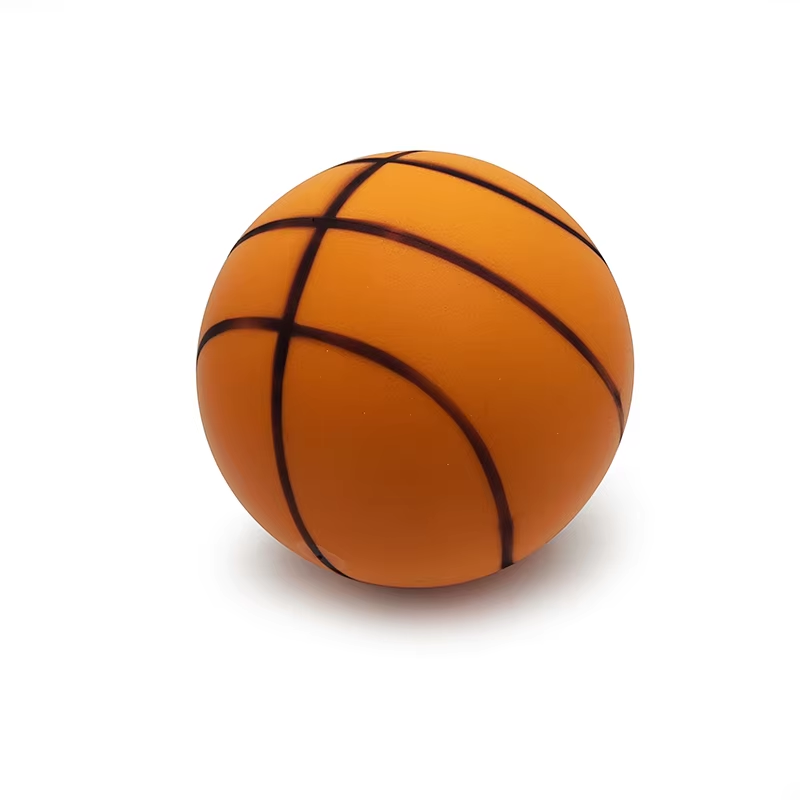
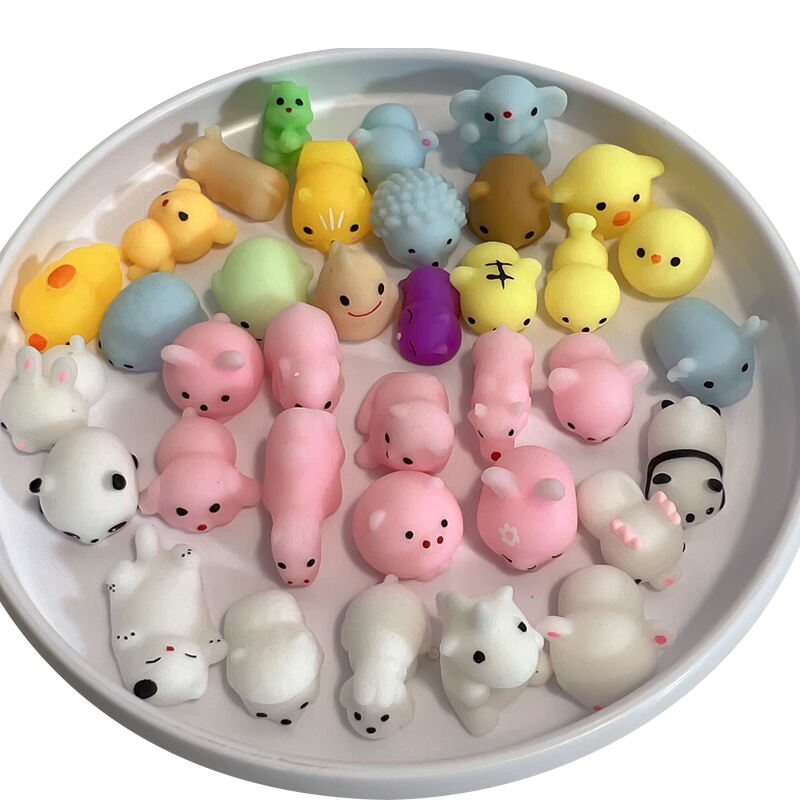
About one out of every five kids between the ages of 3 and 17 in America deals with some form of childhood anxiety according to CDC data from 2023. These kids might show signs like constant fidgeting, getting easily annoyed, or struggling to focus on what they're doing. While talking things out works for some, many young ones find comfort in soft stress relief toys instead. These items provide an alternative way to manage emotions without needing words. Think squishy foam balls that melt under pressure or those cool textured fidget cubes with different surfaces to explore. The act of squeezing or manipulating these objects grounds kids in the moment, channeling their nervous energy into something tangible. A recent study published in the American Journal of Occupational Therapy found that nearly four out of five occupational therapists have noticed better emotional strength in children who play with these kinds of toys when moving from one activity to another or facing tough situations at school or home.
Tactile Input and Its Calming Neurological Effects
When it comes to soothing an overworked nervous system, touch matters quite a bit. Kids who squeeze those squishy stress balls made of silicone actually see their cortisol drop around 18 percent, as reported in the Journal of Pediatric Psychology back in 2023. The science behind it? Our hands have these pressure receptors that talk straight to the amygdala part of the brain, which helps dial down those panic reactions we all get sometimes. Take weighted stuffed animals for instance. They work because they give what experts call proprioceptive input basically telling our bodies about forces and movements happening right now. This activates something called the parasympathetic nervous system. And here's something interesting: when kids play with these soft sensory toys during tough moments, they bounce back from emotional meltdowns about 30 percent quicker compared to other methods that don't involve this kind of tactile feedback.
Case Study: Using Fidget Toys in Classrooms to Improve Focus and Behavior
A 2022 pilot program in a Midwest school district introduced fidget spinners and bendable silicone strips to 3,200 students over 12 weeks. The results showed significant improvements:
| Metric | Improvement |
|---|---|
| Disruptive behavior | -40% |
| Task completion speed | +22% |
| Standardized test scores | +12% |
Teachers observed that students with anxiety disorders benefited most, with 68% requiring fewer verbal redirections. The program also reduced referrals to special education services by 19%, prompting district-wide expansion (School Psychology Quarterly 2023).
Types and Benefits of Soft Sensory Toys for Emotional Regulation
Stress Balls, Putty, and Squeezable Toys: Design and Sensory Impact
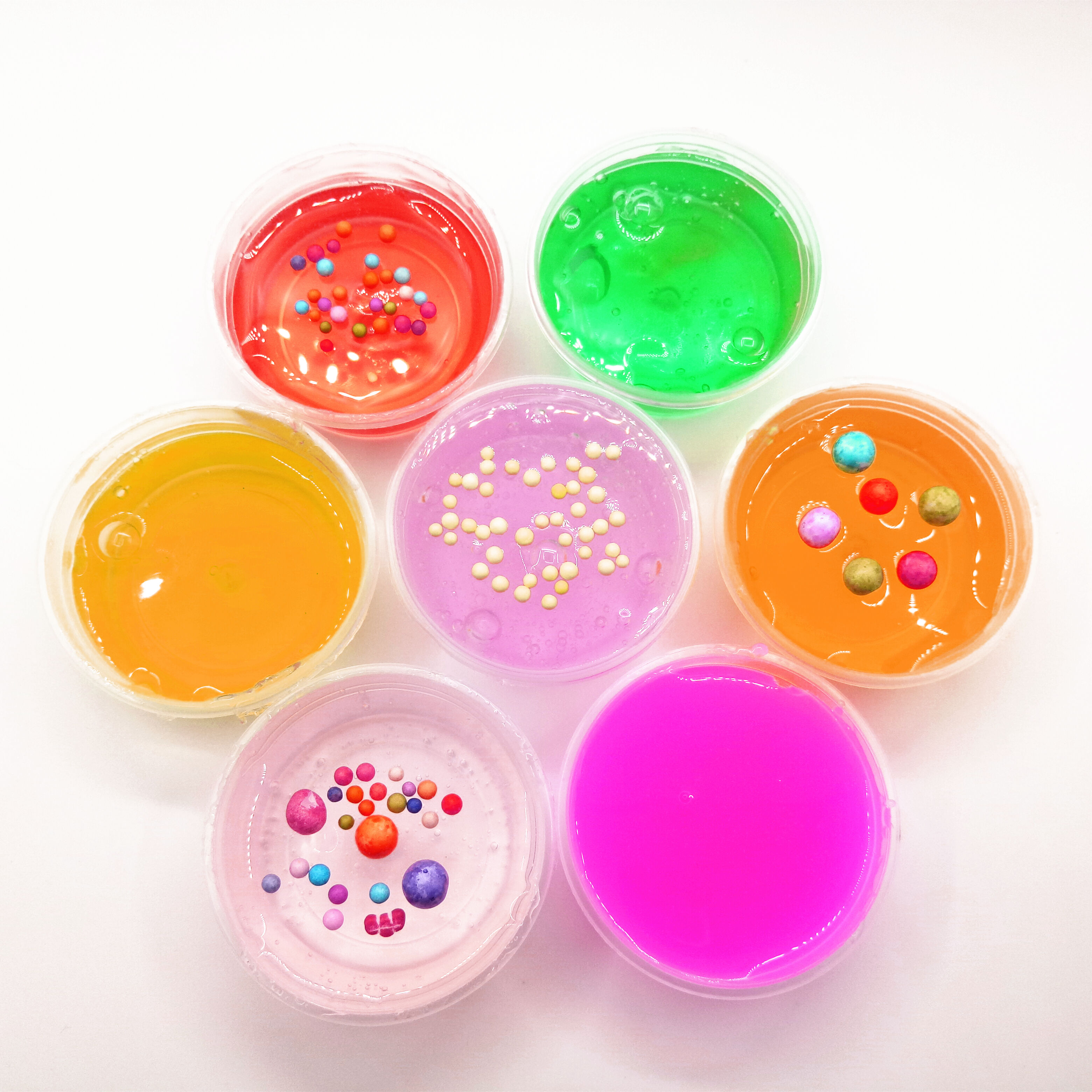
Kids often find relief from stress by squeezing silicone stress balls, playing with putty, or using those squishy toys that give back pressure when pressed. The act of squeezing these items provides physical feedback that helps redirect anxious feelings into something tangible. Studies suggest that this kind of sensory stimulation might actually lower cortisol levels by around 30% or so during stressful moments, though results can vary between individuals. Most products come in different firmness options like soft, medium, and firm, making it possible to match what works best for each child based on how strong their grip is and what feels most comfortable to them personally. Some parents report better results when kids pick out their own favorite texture rather than being told what to use.
The Rise of Plush and Weighted Stuffed Animals for Comfort and Calm
Plush toys stuffed with tiny microbeads provide gentle deep pressure that helps trigger oxytocin release, which is one of those brain chemicals linked to feeling relaxed and having a slower heartbeat. Recent research from last year showed pretty impressive results too. About three quarters of kids who used these weighted animal toys weighing around five to seven pounds seemed to handle transitions better, whether going to bed at night or moving between classes during the day. Some newer models now feature special fabrics that adjust to body temperature or even include little devices that mimic a heartbeat pattern similar to what humans experience when touched comfortingly. These added features definitely make them more effective for therapy purposes, though they're still not a magic fix for everyone struggling with anxiety issues.
Matching Toy Types to Children's Individual Sensory Needs
Effective use of sensory tools depends on aligning them with a child's unique sensory profile:
- Seekers (high sensory tolerance) respond well to vibrating or highly textured toys
- Avoiders (low tolerance) benefit from smooth, predictable options like foam rings
- Oral seekers may need food-grade silicone chew necklaces
Occupational therapists recommend rotating 3–5 toy types to sustain engagement without overstimulation. Keeping a sensory diary helps caregivers track patterns and identify which tools work best during moments of stress.
Safety Standards for Stress Relief Toys in Child-Centric Environments
Non-Toxic Materials: BPA-Free, Food-Grade Silicone, and Safety Certifications
When it comes to kids' toys, there are strict rules about what chemicals can be used. Most big name brands stick to BPA free plastics and food grade silicones that follow ASTM F963 standards here in America. They also go through third party tests to check they're meeting all the requirements set out by CPSIA legislation. This law actually puts caps on dangerous substances like lead (no more than 100 parts per million allowed) and certain phthalates (limited to just 0.1%). Looking at data from recalls last year shows why these rules matter so much. The CPSC found that nearly one third of all recalled toys had problems related to chemical contamination. That's pretty staggering when you think about how many products end up in little hands every day.
Choking Hazards and Age-Appropriate Design: Balancing Safety and Function
Toys meant for kids younger than three years old need to go through what's called the small parts cylinder test. Basically, nothing on these toys should be smaller than about an inch and a quarter across so little hands can't get them stuck. When it comes to those squishy stress relief toys popular with preschoolers, manufacturers reinforce the seams and thread them with special single strand material to keep the inside stuff from coming out if chewed or pulled apart. According to the latest safety standards (ASTM F963-23), every toy has to survive certain impact and twisting forces as if someone was squeezing really hard - around ten pounds worth of pressure actually. This helps make sure they don't break easily when kids play with them normally at home or in daycare settings.
Supervision Guidelines and Best Practices for Young Users
Key safety practices include:
- Monthly inspection for cracks, leaks, or loose parts
- Avoiding plush toys with button eyes or detachable accessories for children under 3
- Selecting stress balls at least 2” in diameter for toddlers
Caregivers should consult the US Consumer Product Safety Commission's 2023 recall data, which indicates that 12% of toy-related injuries involved misused or age-inappropriate sensory tools.
From Fidgeting to Focus: Enhancing Learning Through Sensory Tools
How Stress Relief Toys Support Self-Regulation and Classroom Engagement
Stress relief toys made from soft materials give kids something to touch that actually helps them focus better despite all the distractions around them. Research published last year showed that when kids can fidget in a controlled way, their memory gets about 18% better because it keeps them alert throughout the day. Teachers have noticed this too - classrooms where students have access to these sensory tools see roughly 25% fewer instances of kids wandering off task during lessons. The best part? These little gadgets aren't flashy at all. Kids can play with them quietly under desks or tables, which means they get to calm down their wiggles without causing any disruptions to what's happening in class.
Evidence-Based Benefits for Children with Anxiety or ADHD
Studies keep pointing to how helpful sensory tools are for kids who learn differently. According to a recent report from the Child Mind Institute back in 2023, students with ADHD actually focused better on those standard tests when they had access to weighted fidget items during testing sessions. The improvement was pretty significant too - around 30% increase in concentration levels. When it comes to managing anxiety, occupational therapists have seen something interesting happen as well. About two thirds of them noticed that kids prone to panic attacks tended to calm down faster when given those textured sensory gadgets to play with during overwhelming situations. Teachers seem to agree with this approach too. Most schools now stock these kinds of tools, and according to data from the American Psychological Association released last year, roughly 8 out of 10 educators believe such items help create classroom environments where all types of learners can really benefit and grow together.
Commercial vs. Therapeutic Toy Designs: Bridging the Effectiveness Gap
| Design Feature | Therapeutic-Grade Toys | Commercial Toys |
|---|---|---|
| Sensory Input | Adjustable resistance levels | Fixed texture/feedback |
| Materials | Medical-grade silicone | Standard plastics |
| Certifications | FDA-compliant | Basic safety testing |
| Cost | $12–$30 | $3–$10 |
Therapeutic-grade toys emphasize customizable sensory experiences and hypoallergenic, durable materials, whereas commercial versions prioritize affordability. Experts suggest bridging the gap by integrating clinically informed features—such as adjustable resistance bands or food-safe silicone—into accessible, budget-friendly designs to expand equitable access.
FAQ
Why are soft stress relief toys beneficial for children?
Soft stress relief toys help children manage anxiety by providing tactile feedback, reducing cortisol levels, and grounding nervous energy into something tangible, contributing to emotional regulation.
What types of sensory toys are most effective for managing childhood anxiety?
Sensory toys such as stress balls, putty, weighted stuffed animals, and fidget spinners are effective for managing childhood anxiety due to their calming tactile input and neurological effects.
Are stress relief toys safe for young children?
Yes, stress relief toys are designed to be safe for young children as long as they meet strict safety standards like being BPA-free, passing the small parts cylinder test, and offering appropriate supervision guidelines.
How do sensory toys impact learning and focus in classrooms?
Sensory toys support self-regulation and enhance classroom engagement by allowing children to manage their anxiety or ADHD symptoms, leading to improved focus and reduced disruptive behavior.
Table of Contents
- Understanding Childhood Anxiety and the Role of Sensory Tools
- Tactile Input and Its Calming Neurological Effects
- Case Study: Using Fidget Toys in Classrooms to Improve Focus and Behavior
- Types and Benefits of Soft Sensory Toys for Emotional Regulation
- Safety Standards for Stress Relief Toys in Child-Centric Environments
- From Fidgeting to Focus: Enhancing Learning Through Sensory Tools
- FAQ