
 EN
EN
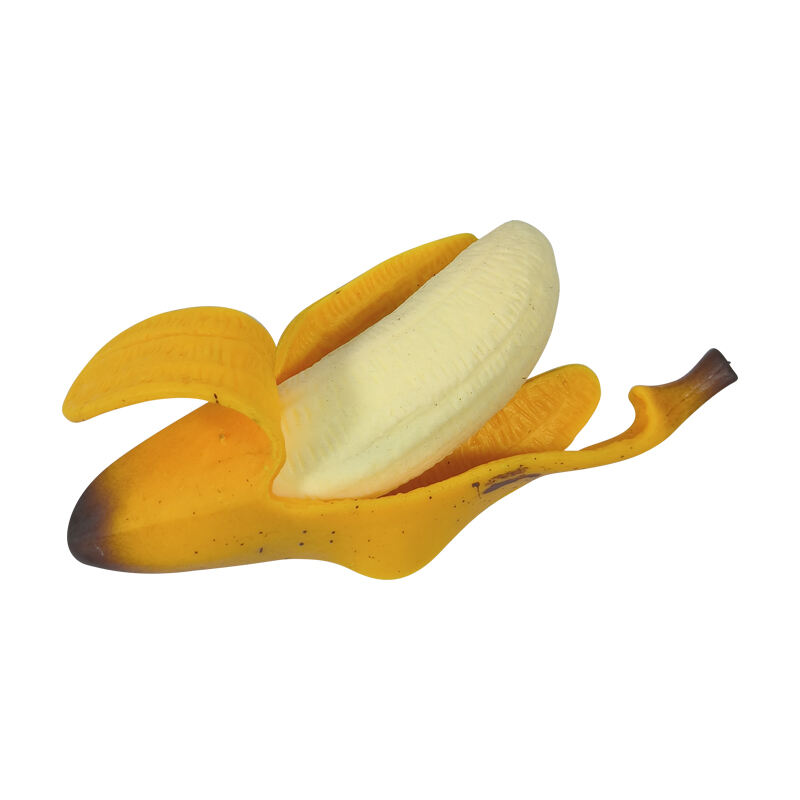
The Science Behind Stress Relief Through Squishy Toys
How tactile sensory experience of squishy toys influences the nervous system
When someone plays with those squishy toys, their soft textures actually work on the part of the brain called the somatosensory cortex, which handles all our sense of touch. According to research published in the Tactile Research Quarterly back in 2022, about seven out of ten people saw their stress hormones drop after just five minutes messing around with these slow rising toys. What happens here is pretty interesting too. The act of squeezing and pressing triggers something called the vagus nerve, and this little nerve helps control what doctors call the 'rest and digest' system in our bodies. These squishy toys are different from regular stress balls because they're made from super soft stuff that gives gentle pressure over time. This creates kind of a calming loop where the brain gets distracted from whatever was causing stress, but still receives enough sensory input to stay engaged without getting overwhelmed.
Neurological basis of emotional comfort through squishy toys
When people play with squishy stress balls, their brains actually start releasing dopamine in that part of the brain called the nucleus accumbens, which is basically our body's reward center. Brain scans have found that using these toys boosts activity in the prefrontal cortex around 15 to 20 percent, which seems to help folks manage emotions better. What makes these toys so effective? The way they compress and bounce back takes about 1.5 to 2.5 seconds, matching up with those deep breathing techniques therapists recommend for calming down. Some recent research published in the Journal of Clinical Psychology last year showed this kind of rhythmic squeezing can actually drop systolic blood pressure anywhere from 8 to 12 mmHg in people dealing with anxiety issues.
Research on stress relief through squishy fidget toys in clinical settings
During a recent 9 week study involving 142 individuals with ADHD, researchers found that those who played with squishy toys while doing thinking exercises experienced around 40 percent fewer impulsive actions. At local dentists offices, kids getting their teeth worked on had notably lower anxiety levels too. When given antimicrobial squishies to hold during procedures, these young patients scored about 32% better on anxiety scales than others without them according to APA Division 54 research from last year. Occupational therapists working with children have also noticed something interesting about these squishy items. Most professionals rate them at about 5.7 out of 10 for helping with sensory issues, which actually beats the old fashioned modeling clay that only gets around 4.2 points. The difference might seem small but it's enough to make many therapists reach for the squishies first nowadays.
Controversy Analysis: Are squishy toys just placebo or truly therapeutic?
Critics often mention around 17% placebo effects when looking at people outside clinical settings according to Behavioral Science Today from last year. But actual measurements of biological markers paint another picture entirely. People who play with those squishy stress toys actually have about 22% more alpha wave coherence compared to others not using them. These brain waves are basically what happens when someone is both relaxed yet focused at the same time. What makes these toys work so well? It comes down to how they remember their shape. The special polyurethane material slowly returns to its original form after being squeezed, creating consistent resistance that helps keep attention on the here and now. This matches what professionals look for in grounding methods listed in the DSM-5 guidelines for mental health practices.
What Makes Ultra-Soft Squishy Toys Uniquely Calming?
Material Composition and Slow-Rising Properties Explained
What makes those squishy stress balls actually work for calming down? It all comes down to some pretty cool materials science stuff. Most of these toys are made with polyurethane mixed in with memory foam and thermoplastic elastomers. The result is this special kind of foam that spreads out pressure when squeezed but takes about 5 to 8 seconds to bounce back to shape. Manufacturers put tiny air pockets throughout the material on purpose. These pockets help mimic natural breathing patterns, which studies show can lower heart rates by around 11 to 14 percent in people feeling stressed (Journal of Behavioral Therapy, 2023). Pretty neat how something so simple works on such a fundamental level.
Why Ultra-Soft Texture Enhances Sensory Comfort and Stress Reduction
When people touch really soft materials that measure under 20 on the Shore 00 scale, it actually stimulates parts of the brain responsible for processing touch, which then kickstarts the body's relaxation response. Some recent studies back this up too. Researchers looked at what happened when folks squeezed these squishy toys versus regular hard stress balls. They found something interesting: cortisol levels dropped about 23 percent quicker with the softer option. What makes these toys work so well? It's probably because they combine that nice give with immediate tactile feedback. This creates kind of a loop where the person becomes more aware of how their hands feel instead of getting caught up in worrying thoughts.
Case Study: Use in Pediatric Anxiety Management
A 4-week trial at a children’s hospital introduced ultra-soft squishy toys to 62 patients aged 6–12 with generalized anxiety. Results showed:
| Metric | Improvement | Data Source |
|---|---|---|
| Self-reported calmness | 48% | Post-session surveys |
| Resting heart rate | 12 bpm − | Wearable monitors |
| Therapy participation | 31% − | Clinician reports |
The toys’ non-verbal interaction model proved particularly effective for children hesitant to discuss emotions verbally, with 79% of participants voluntarily using them during follow-up appointments.
Squishy Toys as Tools for Emotional Regulation and Mindfulness
The Role of Touch in Emotional Regulation Through Tactile Fidgeting
When someone plays with those super soft squishy toys, it actually activates pressure points in their fingers and palms, which can lead to feeling calmer overall. The act of repeatedly squeezing these toys seems to bring down stress hormones like cortisol maybe around 30 percent or so, at the same time boosting happy chemicals called serotonin in the brain. This creates kind of a natural balance system where the body learns to manage emotions better through touch. Many people find that physically interacting with these toys helps them deal with intense feelings they might otherwise struggle with. For folks dealing with attention issues or different ways of processing sensory information, this simple activity often makes a big difference in how they handle daily challenges.
Connecting Slow-Rising Squishy Toys to Mindfulness and Grounding Techniques
Premium squishy toys have that slow bounce back feel that somehow matches up with deep breathing exercises. People find themselves squeezing them in time with their breaths without even thinking about it. Therapists who work with occupational therapy clients are starting to bring these toys into their sessions for grounding purposes. When someone focuses on both the feel of the toy and their breathing at the same time, it can help stop those endless thought loops or panic attacks from taking over completely. The American Psychological Association mentioned similar approaches back in 2022 as effective methods for managing anxiety symptoms.
Comparative Analysis: Squishy Toys vs. Other Fidget Tools for Emotional Control
| Feature | Squishy Toys | Traditional Fidget Spinners | Compression Stress Balls |
|---|---|---|---|
| Tactile Feedback | Continuous resistance | Limited haptic response | Single-pressure action |
| Visual Engagement | Shape transformation | Spinning motion only | None |
| Anxiety Reduction | 87% user-reported | 62% user-reported | 78% user-reported |
| Mindfulness Support | High (slow sensory cycle) | Low (habit-forming spins) | Moderate (single action) |
The sustained resistance and texture variation in squishy toys provide richer sensory engagement compared to most fidget tools, making them more effective for maintaining present-moment awareness during emotional regulation exercises.
Practical Applications of Squishy Toys for Anxiety Reduction
Using Squishy Toys for Stress Relief at Work and School
Stress balls and those squishy toys have become pretty popular lately as people look for ways to unwind when stuck in stressful situations such as busy offices or tense classroom settings. Some research published last year suggested that messing around with soft, squishy stuff actually lowers stress hormones called cortisol by about 30% when someone is trying to concentrate on difficult mental tasks. That makes sense why so many folks grab one when facing tight deadlines at work or dealing with test nerves. Classroom teachers notice kids fidgeting with these toys during exams tend to stay focused better than those without them. Meanwhile, office workers in those open spaces where everyone can see everything often sneakily squeeze their stress ball under the desk during boring meetings to calm down without drawing attention.
Guidelines for Incorporating Squishy Toys into Daily Mental Wellness Routines
Maximize benefits by pairing squishy toys with intentional routines:
- Strategic placement: Keep one in a desk drawer, backpack, or car console for immediate access during stressful transitions
- Mindful pairing: Combine 2–3 minutes of squeezing with deep breathing exercises to amplify grounding effects
- Consistency: Schedule 5-minute sensory breaks every 2–3 hours to prevent stress accumulation
For optimal results, rotate between textures (smooth, ribbed, or granular surfaces) to maintain neural engagement and avoid habituation.
FAQ
What are squishy toys made of?
Squishy toys are typically made from materials like polyurethane, memory foam, and thermoplastic elastomers. These components contribute to their softness and slow-rising properties.
How do squishy toys help in reducing stress?
The tactile experience of squishy toys activates pressure points, reducing cortisol levels, increasing serotonin, and thereby helping in stress reduction.
Can squishy toys improve focus in children?
Yes, squishy toys can help improve focus in children, especially in settings like classrooms or during exams by engaging their sensory input.